Entry · Ref 760WL9IK
How Assisted Living Promotes Social Involvement and Wellness
- Posted
- 2026-11-09
- Last amended
- 2026-11-09
- Account
- @felixtdce342
Business Name: BeeHive Homes of Goshen
Address: 12336 W Hwy 42, Goshen, KY 40026
Phone: (502) 694-3888
BeeHive Homes of Goshen
We are an Assisted Living Home with loving caregivers 24/7. Located in beautiful Oldham County, just 5 miles from the Gene Snyder. Our home is safe and small. Locally owned and operated. One monthly price includes 3 meals, snacks, medication reminders, assistance with dressing, showering, toileting, housekeeping, laundry, emergency call system, cable TV, individual and group activities. No level of care increases. See our Facebook Page.
12336 W Hwy 42, Goshen, KY 40026
Business Hours
When family members begin comparing care choices, the conversation often begins with safety. That makes sense. Medication assistance, assist with bathing, dish service, and dependable supervision issue a large amount. Yet after a few visits to neighborhoods, another concern normally rises to the surface area: what will every day life really really feel like?
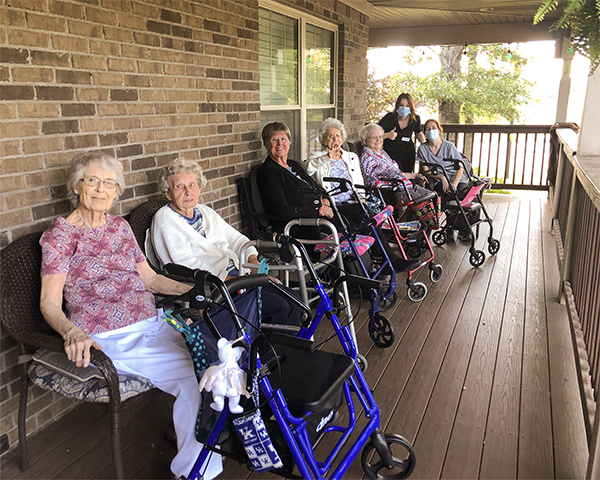
That concern is frequently the turning point. Many older adults do not need a nursing setting, however they do require even more link, more structure, and much more chances to remain active than they are accessing home. Assisted living can load that void in a functional, human method. It supplies support with the tasks that have actually become hard while creating a setup where people can still choose, preserve regimens, and construct relationships. For lots of residents, that mix changes everything.
Social engagement and health are not separate advantages of assisted living. They reinforce one another. A resident that signs up with an early morning exercise class is more likely to talk with neighbors later. Someone who concerns supper in the neighborhood dining room is much less likely to skip a meal. A person who feels recognized by staff and peers is more probable to speak up regarding pain, loneliness, or a change in health. These are not abstract advantages. They shape life in measurable, visible ways.
The social isolation problem is commonly underestimated
It is simple to presume that living alone is just a concern if somebody is physically hazardous. In method, isolation can impact a person long prior to a situation lands them in the healthcare facility. Older adults might stop driving, shed a spouse, create vision or movement problems, or just discover that the circle of friends they as soon as relied on has obtained smaller. Despite family members nearby, the hours in between visits can be lengthy and quiet.
That kind of seclusion changes actions. People might consume much less since preparing dishes feels like way too much initiative. They may sleep at weird hours, move less, or quit adhering to a routine that once maintained them stable. Gradually, the days blur together. The absence of interaction can make even small troubles really feel heavier. A missed out on prescription refill comes to be much more significant. A small autumn results in a week of reluctance. A little despair turns into a bigger withdrawal.
Assisted living is developed to interrupt that pattern. The setting itself matters. Meals take place at foreseeable times. Activities are uploaded and very easy to sign up with. Personnel observe when a person has not come out of their house. There is a natural rhythm to the day, and that rhythm keeps individuals attached to something larger than their very own four walls.
Wellness starts with the common minutes of the day
Wellness in assisted living is not restricted to formal programs. It begins with straightforward routines that sustain the body and mind. A resident may get up to breakfast prepared by another person, take a medication on schedule, stroll to a typical area, and spend the morning talking with a next-door neighbor prior to lunch. None of that appears significant, yet those ordinary moments often do much more for wellness than a once-a-month occasion ever could.
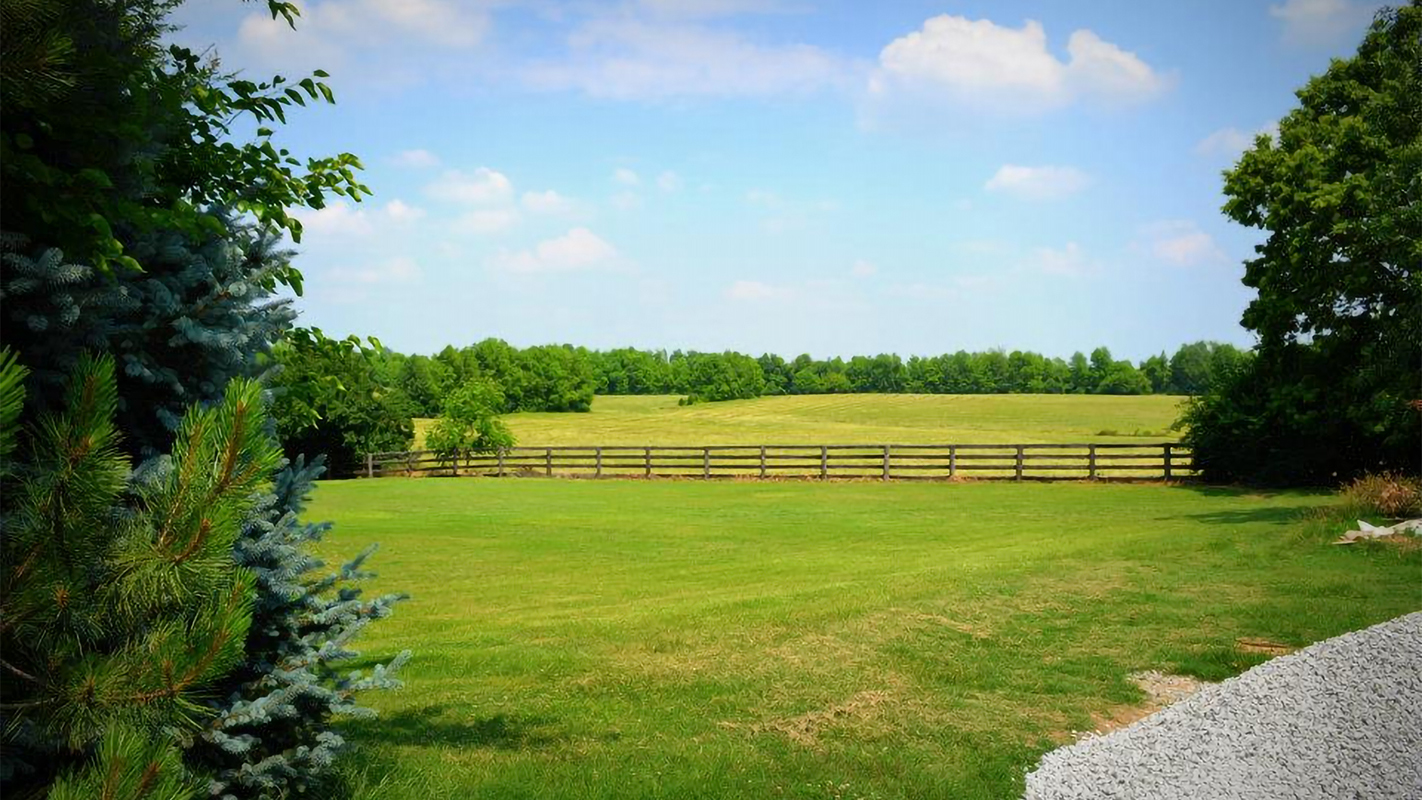
Nutrition is an example. Several older grownups living at home slowly slide right into inadequate eating routines. They may depend on biscuits, toast, or fast food since food preparation has actually ended up being troublesome or physically demanding. In assisted living, meals are commonly planned and offered frequently, which removes a significant barrier. That alone can assist with power, state of mind, and medication effectiveness.
Hydration is another ignored issue. An individual that spends a lot of the day alone might merely fail to remember to consume enough water. In a community setup, beverages are supplied throughout the day, and team often notice when somebody is not drinking well. That sort of wariness seems small up until it prevents an urinary infection, dizziness, or a fall.
Sleep can enhance also. People often tend to rest much better when days have structure, nights are calmer, and there is much less anxiety about family duties. A resident does not require to worry about mowing the grass, repairing a broken tap, or managing a complete refrigerator before a snowstorm. Remedy for those problems becomes part of wellness too.
Community life makes engagement easier
One of the greatest toughness of assisted living is that engagement is developed into the atmosphere. Citizens do not need to drive across town or coordinate multiple timetables to see individuals. They can get out of their houses and locate a card video game, a film, a conversation team, a craft table, or a visiting musician. That convenience matters greater than many households expect.
I have seen grownups who were virtually silent in household setups come alive in a community area since the public opinion is lower and the setup is extra familiar. They are not performing for their adult youngsters. They are simply signing up with peers that comprehend the exact same life phase, the very same losses, and usually the same completely dry wit. Friendships create from rep. An individual who sees the very same next-door neighbor every Tuesday and Thursday may not call that "programs," yet it is precisely how link grows.
The finest communities do not force extroversion. They use low-pressure opportunities. Not everybody wants to join a vibrant bingo game, which is great. Some residents prefer one-on-one conversation, religious time, gardening, or a peaceful team workout course. Excellent assisted living aspects those differences. It produces sufficient selection that a resident can locate a rhythm that fits their character and energy level.
Social interaction sustains cognitive and emotional health
Loneliness is not just unpleasant. It can influence reasoning, inspiration, and emotional resilience. When an individual invests too much time alone, it comes to be tougher to remain mentally sharp and engaged. There is less discussion, fewer opportunities to remember names or tales, and fewer moments that need attention and reaction. Assisted living develops a richer day-to-day social environment that assists maintain the mind active.
This does not suggest social life stops amnesia or changes medical care. It does suggest that a resident is more likely to be stimulated in small yet purposeful means. They could adhere to a discussion concerning current occasions, bear in mind verses during a singalong, or aid a neighbor keep in mind an activity time. These interactions exercise recall and language in manner ins which really feel natural, not clinical.
Emotional health and wellness benefits too. People often take too lightly just how much stress and anxiety is lowered when another person is around to discover an adjustment in state of mind. A resident that has had a rough morning is most likely to state it when a personnel sign in or a close friend asks how they are correcting lunch. That small opening can bring about useful support. Sometimes it is a matter of redirecting somebody to an activity. Occasionally it is identifying that sorrow, pain, or confusion is intensifying and is worthy of attention.
For family members searching for senior living, this is one of one of the most important differences to try to find. An area can have lovely decor and polished advertising and marketing, yet if citizens invest the majority of their time alone, the social worth is limited. The inquiry is not just whether the area offers activities. The genuine inquiry is whether individuals really gather.
Fitness and mobility boost when motion comes to be social
Exercise is less complicated to keep when it is linked to routine and companionship. An individual that should inspire themselves to stroll alone via an area may miss it on warm days, wet days, or days when their knees ache. In assisted living, activity usually becomes part of social life. Residents may join chair exercises, stretch with a group, stroll hallways with a buddy, or join equilibrium classes.
That sort of movement is particularly essential due to the fact that it is sustainable. It does not need to be extreme to matter. 10 minutes of assisted stretching, a short stroll after lunch, or standing and relocating through a light class can support circulation, adaptability, and self-confidence. Gradually, those small initiatives can lower deconditioning, which is just one of the hidden risks of aging. The less people relocate, the more difficult motion becomes.
There is also a mental piece. When activity is social, people are less likely to translate exhaustion as failure. They contrast notes, motivate one another, and stabilize doing what they can. That matters for citizens who may be recovering from a hospitalization or changing after an autumn. They are commonly more going to attempt once again when they are not doing it alone.
A great area also recognizes when to leave space for rest. Not every resident must be pressed into the exact same exercise schedule. Joint inflammation, heart disease, balance concerns, and medication impacts all alter what is ideal. Actual health is not a one-size-fits-all program. It is a thoughtful equilibrium between encouragement and respect for limits.
Staff connections include another layer of connection
People often speak about "the staff" as if it is something. In a solid assisted living neighborhood, staff are not unseen provider. They enter into the resident's daily social network. A caregiver who remembers how a person takes coffee, that rests with a worried resident before morning meal, or that notifications that a normally friendly person has actually gone silent can make a real difference.
This is one of the quieter staminas of assisted living. Acquainted faces develop trust. Depend on makes it much easier for citizens to approve help with showering, dressing, medication suggestions, or movement support. It likewise makes it less complicated to report a trouble early. Someone who really feels recognized is more probable to discuss a skin concern, a change in hunger, or a new ache in the hip as opposed to waiting up until it becomes urgent.
The top quality of those relationships relies on staffing consistency and training, naturally. Family members comparing assisted living near me must pay attention not just to services but to how staff talk with homeowners during a tour. Do they welcome individuals by name? Do residents appear relaxed around them? Do team member seem hurried, or do they make room for discussion? Those details expose more regarding every day life than a brochure ever will.
Respite care can be a beneficial bridge, not just a back-up plan
Families sometimes consider respite care just as a short-lived solution after a caretaker emergency situation. It can be that, however it can additionally offer a wider function. A brief remain in assisted living gives an older adult an opportunity to experience area life without making an instant permanent step. For some individuals, that test duration decreases anxiousness. They find that dishes are easier, the rate is manageable, and they take pleasure in the social call more than they expected.
Respite care can also disclose sensible truths. A member of the family may assume their loved one is doing fine in the house till a short keep subjects how tedious personal care has come to be. An additional resident may understand they are lonely once they invest a couple of days in a setting where conversation is constructed into the day. These understandings matter. They aid family members make decisions with proof instead of guesswork.
For caretakers, respite care uses something just as vital: alleviation. Also committed household caretakers need remainder. When they can step away for a week or more, they return with more perseverance and a clearer view of what their loved one in fact needs. That can boost decision-making for every person involved.
Choosing an area requires looking past the checklist
Families usually begin their search with sensible filters. Exists assisted living near me? What does it set you back? Does the area accept the ideal level of care? Those inquiries are necessary, but they do not tell the whole story. Social involvement and health are formed by environment, shows, and society equally as high as by layout or meal menus.
A thoughtful visit normally discloses more than a sales discussion. Watch just how residents move through the space. Notification whether usual locations are inhabited or vacant sometimes when individuals ought to normally collect. Ask what happens on a normal weekday, not simply what special occasions are offered when a month. A solid area ought to be able to define exactly how social chances are woven right into ordinary life.
Families ought to additionally think about personality fit. An extremely energetic resident might flourish in an area with durable occasions and getaways. Someone more quiet might do better in a smaller setting where team and homeowners understand each other closely. There is no single excellent design. The ideal fit is the one that assists the individual feeling included without being overwhelmed.
A brief functional method to assess an area is to ask:
- How often do locals gather for meals and activities?
- What alternatives exist for individuals who are shy, shy, or hard of hearing?
- How do staff notice and respond when a resident begins isolating?
- Are wellness programs adjusted for various wheelchair levels?
- How does the community assistance family involvement?
Those concerns often tend to appear the genuine society quickly.
Why the emotional tone of the setting matters
The most effective assisted living neighborhoods do not simply provide services. They develop a tone of self-respect. That tone affects whether residents feel like participants or clients. If a community treats people as qualified grownups with preferences, behaviors, and point of views, residents are more likely to involve. If the atmosphere really feels extremely institutional, individuals tend to retreat.
That difference is not aesthetic. Emotional tone affects cravings, engagement, and determination to ask for assistance. A resident that feels self-conscious concerning requiring support may decline it. A resident that really feels respected is more probable to accept care and stay involved in neighborhood life. The difference can appear in something as small as going to lunch or as substantial as reporting a signs and symptom early.
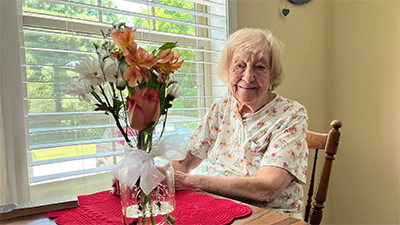
This is where experience issues. Family members occasionally focus on whether a location "looks good," yet the deeper inquiry is whether it feels like a comfortable home. That includes noise level, pacing, personnel attitude, and just how locals are talked to in public spaces. A stunning dining room does not compensate for a society where individuals feel ignored.
The genuine worth is the combination
Assisted living works best when it supports both feature and belonging. One without the other is incomplete. Aid with day-to-day tasks maintains individuals safe, yet it is the social fabric that frequently brings back power and objective. A resident that has a reason to get clothed, an area to be, and individuals anticipating to see them is living in a different way than someone that spends lengthy days alone at home.
That is why households discovering senior care usually wind up reconsidering what "assistance" really indicates. It is not only about hands-on aid. It has to do with producing conditions where older adults can keep showing up to life. The ideal neighborhood does not remove freedom. It secures the components of self-reliance that still matter while decreasing the worries that have assisted living ended up being also hefty to bring alone.
For several older adults, that is the factor at which health boosts in practical ways. Meals become more routine. Motion comes to be less daunting. Discussions go back to the day. Anxiousness reduces due to the fact that somebody is nearby. And gradually, the person's world opens up back up.
That is the assurance of assisted living at its ideal. Not simply care, but connection. Not simply supervision, but a day-to-day environment that supports the body, steadies the mind, and gives social life sufficient space to grow again.
BeeHive Homes of Goshen provides assisted living care
BeeHive Homes of Goshen provides memory care services
BeeHive Homes of Goshen provides respite care services
BeeHive Homes of Goshen supports assistance with bathing and grooming
BeeHive Homes of Goshen offers private bedrooms with private bathrooms
BeeHive Homes of Goshen provides medication monitoring and documentation
BeeHive Homes of Goshen serves dietitian-approved meals
BeeHive Homes of Goshen provides housekeeping services
BeeHive Homes of Goshen provides laundry services
BeeHive Homes of Goshen offers community dining and social engagement activities
BeeHive Homes of Goshen features life enrichment activities
BeeHive Homes of Goshen supports personal care assistance during meals and daily routines
BeeHive Homes of Goshen promotes frequent physical and mental exercise opportunities
BeeHive Homes of Goshen provides a home-like residential environment
BeeHive Homes of Goshen creates customized care plans as residents’ needs change
BeeHive Homes of Goshen assesses individual resident care needs
BeeHive Homes of Goshen accepts private pay and long-term care insurance
BeeHive Homes of Goshen assists qualified veterans with Aid and Attendance benefits
BeeHive Homes of Goshen encourages meaningful resident-to-staff relationships
BeeHive Homes of Goshen delivers compassionate, attentive senior care focused on dignity and comfort
BeeHive Homes of Goshen has a phone number of (502) 694-3888
BeeHive Homes of Goshen has an address of 12336 W Hwy 42, Goshen, KY 40026
BeeHive Homes of Goshen has a website https://beehivehomes.com/locations/goshen/
BeeHive Homes of Goshen has Google Maps listing https://maps.app.goo.gl/UqAUbipJaRAW2W767
BeeHive Homes of Goshen has Facebook page https://www.facebook.com/beehivehomesofgoshen
BeeHive Homes of Goshen won Top Assisted Living Homes 2025
BeeHive Homes of Goshen earned Best Customer Service Award 2024
BeeHive Homes of Goshen placed 1st for Senior Living Communities 2025
People Also Ask about BeeHive Homes of Goshen
What does assisted living cost at BeeHive Homes of Goshen, KY?
Monthly rates at BeeHive Homes of Goshen are based on the size of the private room selected and the level of care needed. Each resident receives a personalized assessment to ensure pricing accurately reflects their care needs. Families appreciate our clear, transparent approach to assisted living costs, with no hidden fees or surprise charges
Can residents live at BeeHive Homes for the rest of their lives?
In many cases, yes. BeeHive Homes of Goshen is designed to support residents as their needs change over time. As long as care needs can be safely met without requiring 24-hour skilled nursing, residents may remain in our home. Our goal is to provide continuity, comfort, and peace of mind whenever possible
How does medical care work for assisted living and respite care residents?
Residents at BeeHive Homes of Goshen may continue seeing their existing physicians and medical providers. We also work closely with trusted medical organizations in the Louisville area that can provide services directly in the home when needed. This flexibility allows residents to receive care without unnecessary disruption
What are the visiting hours at BeeHive Homes of Goshen?
Visiting hours are flexible and designed to accommodate both residents and their families. We encourage regular visits and family involvement, while also respecting residents’ daily routines and rest times. Visits are welcome—just not too early in the morning or too late in the evening
Are couples able to live together at BeeHive Homes of Goshen?
Yes. BeeHive Homes of Goshen offers select private rooms that can accommodate couples, depending on availability and care needs. Couples appreciate the opportunity to remain together while receiving the support they need. Please contact us to discuss current availability and options
Where is BeeHive Homes of Goshen located?
BeeHive Homes of Goshen is conveniently located at 12336 W Hwy 42, Goshen, KY 40026. You can easily find directions on Google Maps or call at (502) 694-3888 Monday through Sunday 7:00am to 7:00pm
How can I contact BeeHive Homes of Goshen?
You can contact BeeHive Homes of Goshen by phone at: (502) 694-3888, visit their website at https://beehivehomes.com/locations/goshen/, or connect on social media via Facebook
Residents may take a trip to the Bluegrass Brewing Co . Bluegrass Brewing Company provides a casual dining option suitable for assisted living and senior care family meals during respite care visits.